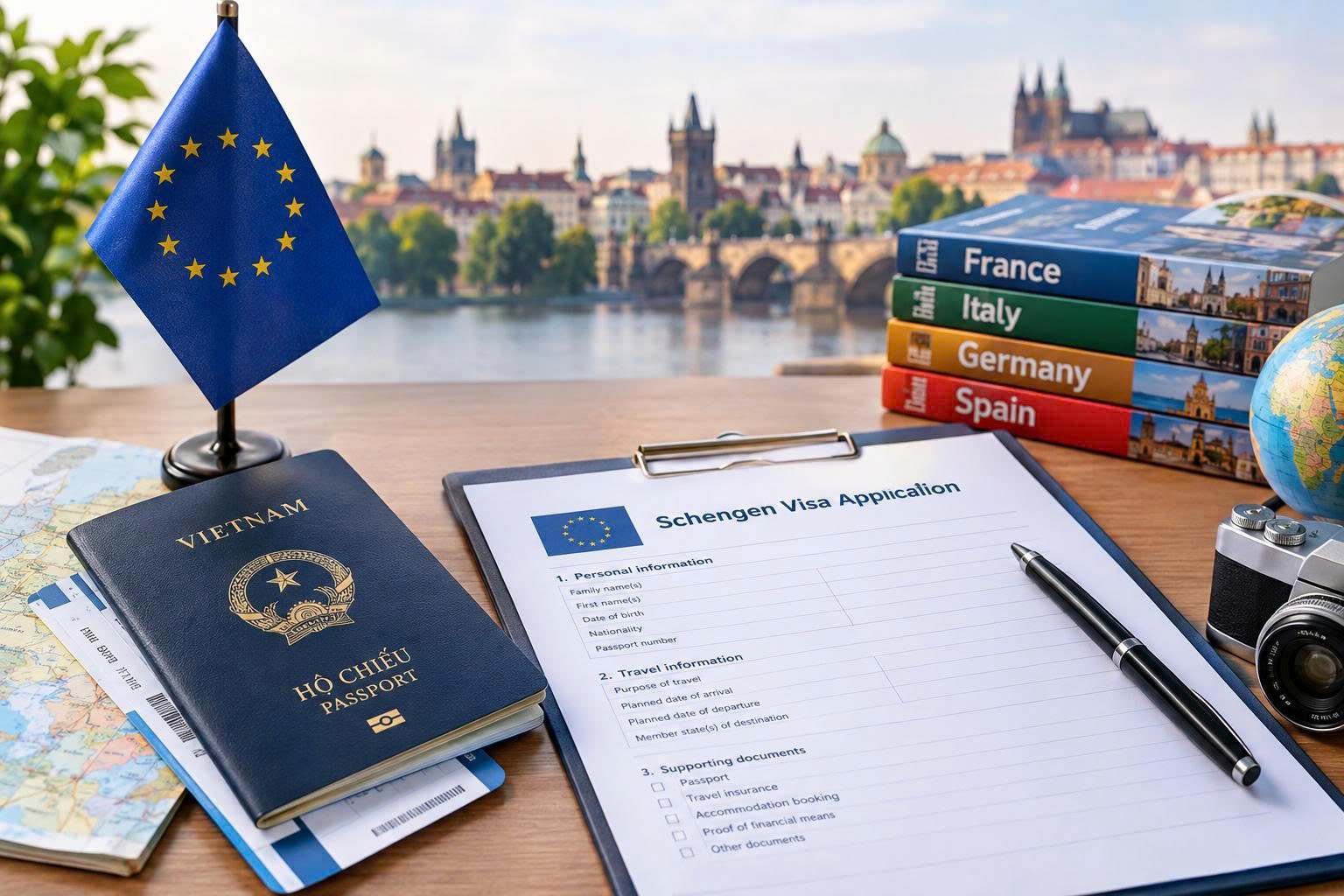
What Is a Schengen Visa?
A Schengen short-stay visa generally allows eligible travelers to visit the Schengen Area for up to 90 days in any 180-day period, subject to the conditions printed on the visa and the applicable rules. The Schengen Area includes multiple European countries that apply common short-stay visa rules. A visa’s validity dates and the permitted duration of stay are not necessarily the same.
A short-stay visa is not a residence permit and does not automatically authorize employment. If you intend to study long-term, work, or live in a European country, you should investigate the appropriate national visa or residence procedure.
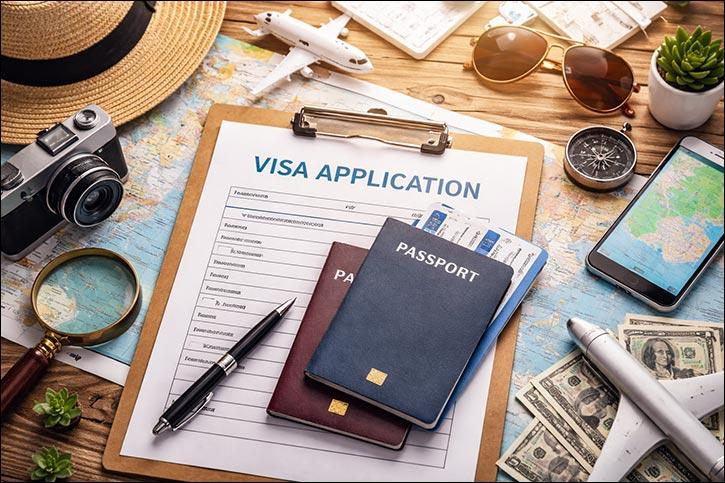
Which Country Should Receive Your Application?
If your itinerary includes more than one Schengen country, the correct place to apply generally depends on your main destination or the purpose and duration of the visit under the applicable rules. Applicants should not simply choose a consulate because they believe it may be easier. Check the official instructions of the country responsible for the application and the authorized application center serving your location.
The itinerary should be plausible. If most of the trip is planned in one country, the documents should reflect that plan. Changes made solely to apply through a different country can create inconsistencies and questions.

Documents to Prepare
The precise checklist can vary by country, visa category, and personal situation. Applicants are commonly asked for some combination of:
A valid passport and completed application form.
A recent photograph that meets the required specifications.
Travel itinerary and accommodation information.
Evidence of financial means for the visit.
Travel medical insurance meeting the applicable requirements.
Employment, business, study, or other personal-status documents.
Supporting information about the purpose of the trip.
Evidence of family ties or other circumstances, where relevant.
Always use the current checklist from the responsible embassy, consulate, or authorized visa application center. Requirements can change, and different applicant categories may need different documents.
Build a Consistent Travel Plan
Your itinerary should explain where you intend to go, how long you will stay, and why the trip makes sense for your circumstances. Flight reservations, accommodation information, and planned activities should not contradict one another. Avoid creating an unrealistic schedule that includes too many cities in too few days.
Financial evidence should also be understandable. The funds available should reasonably relate to the length and nature of the trip. If another person will cover expenses, explain that arrangement and provide supporting documents if required. Never create artificial transactions or submit documents that do not reflect your real financial situation.

Understand the 90/180-Day Rule
The short-stay framework generally limits a traveler to 90 days in any rolling 180-day period across the Schengen Area. This is not simply 90 days in each country. Previous visits may affect how many days remain available for a new trip. Travelers who make frequent visits should carefully calculate their stays and check the official short-stay calculator.
The number of entries permitted and the visa’s validity period should also be read carefully. A multiple-entry visa does not mean a traveler can remain indefinitely.
Common Schengen Visa Mistakes
Frequent issues include choosing the wrong consulate, presenting an itinerary that does not match accommodation bookings, overlooking insurance requirements, and providing incomplete financial or employment documents. Another mistake is assuming that a previous visa guarantees a new one. Each application is assessed according to the applicable requirements and the applicant’s current circumstances.
Do not rely on social media anecdotes as a substitute for official instructions. What worked for one person may not apply to another applicant or destination.
How Visa Assistance Can Support Your Preparation
A visa support service may help you understand the relevant checklist, organize your documents, review basic consistency, and identify questions to resolve before submission. It cannot promise approval or replace the decision-making authority of the relevant consulate.
Vietnam Visa Services provides assistance for selected European visa applications. Confirm the current service scope, the country-specific process, fees, and any tasks you must complete yourself before paying for assistance.

Start Early and Check Official Guidance
A practical Schengen visa plan begins with a realistic itinerary and the correct application destination. Review the latest official requirements, prepare genuine documents, and allow time for appointments and processing. If your trip includes several countries or multiple visits, make sure you understand the entry conditions and permitted stay.
Contact Vietnam Visa Services to discuss your planned route and confirm whether support is available for your Schengen visa application.