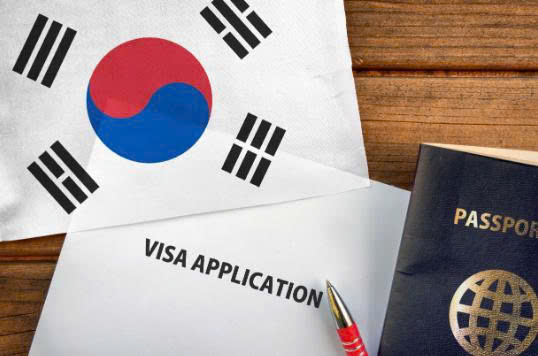
South Korea offers different visa categories according to the purpose of a foreign national's stay. Vietnamese applicants planning to study in the country should identify the category that matches their intended educational program.
Two commonly discussed categories are:
The exact eligibility requirements and supporting documents depend on the applicant's program, institution, circumstances, and applicable immigration rules.
According to the South Korean government's Study in Korea portal, prospective students generally need to obtain admission documentation and prepare the required materials before applying through the appropriate Korean diplomatic mission. Requirements can include proof of admission, educational records, and evidence of financial ability, although the final checklist varies by case.
Applicants should review the latest information from the official Study in Korea website and the relevant Korean embassy or consulate before submitting an application.
Choosing the appropriate visa category from the beginning is essential. A visa issued for studying or language training does not automatically authorize every other activity, including unrestricted employment or an extended stay beyond the permitted period.

Studying abroad can involve significant financial and personal commitments. Students may face pressure to cover living expenses, find employment, improve their language skills, or remain in South Korea after completing their studies.
However, difficulties with employment or future career planning do not remove the obligation to comply with immigration requirements.
The VnExpress report discussed challenges that some international students encounter when seeking work after graduation, including restrictions on employment, difficulties changing visa status, documentation requirements, and language barriers.
These challenges demonstrate why students should research their options before making major decisions about studying or working overseas.
Before enrolling in a program, prospective students should consider:
A realistic plan can help students understand the responsibilities associated with studying abroad rather than relying on assumptions about employment or long-term residence.
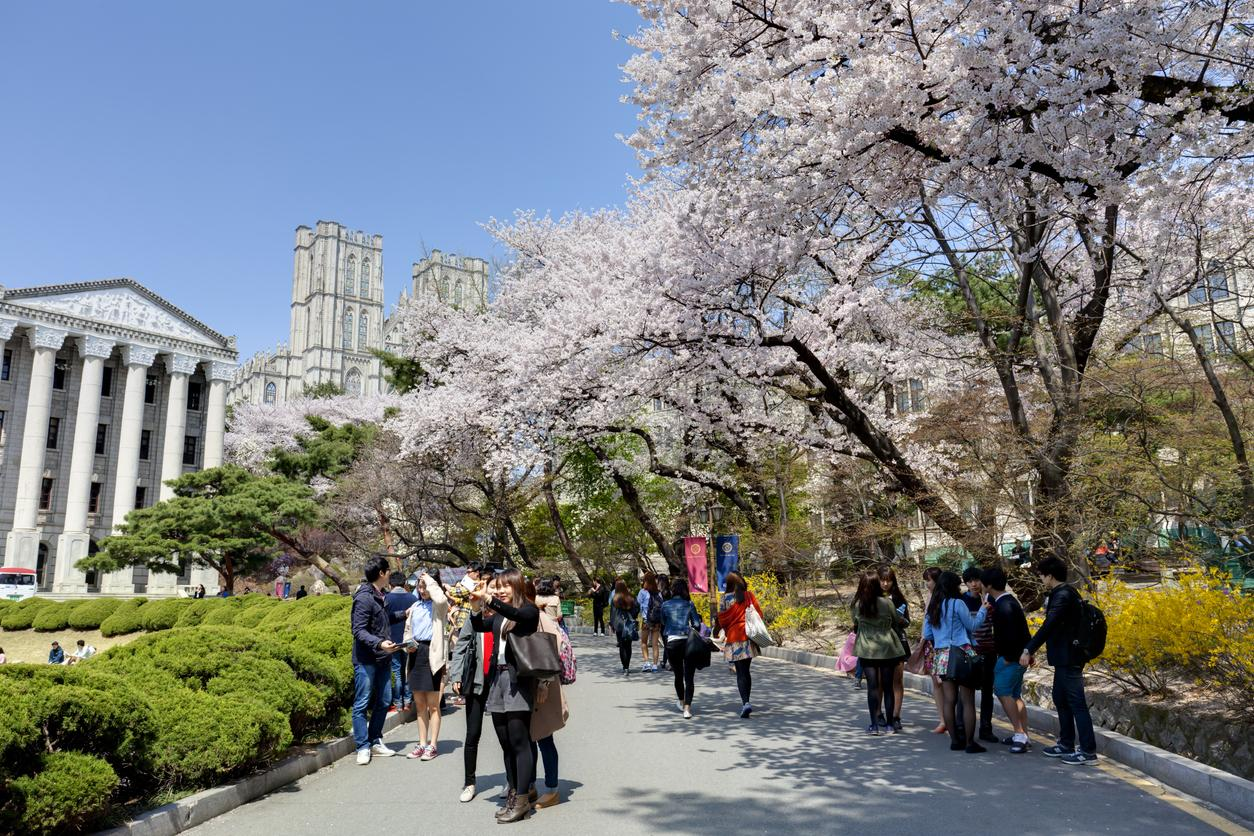
Foreign nationals must maintain a valid immigration status appropriate to their purpose and period of stay. If a student remains in South Korea beyond the permitted period without obtaining the required authorization, they may face immigration consequences.
Depending on the circumstances and applicable law, consequences can include fines, detention or imprisonment under relevant provisions, deportation, and restrictions on future entry.
South Korea's legal guidance explains that foreign nationals who intend to remain beyond their authorized period must obtain permission to extend their stay. Individuals who want to undertake activities outside the scope of their current status may also need prior authorization to change their status. Source: South Korean legal guidance on extensions and changes of stay.
The specific outcome of an immigration violation depends on the facts of the case, the applicable legal provisions, and the decisions of the competent authorities. Students should not assume that leaving the country or submitting a new visa application will automatically resolve an existing violation.
If a student has already overstayed, they should seek guidance from the relevant South Korean immigration authority or a qualified immigration professional about the appropriate steps for their situation.

Preventing an overstay begins with careful planning and ongoing attention to visa conditions. Students should not wait until their authorized stay is about to expire before checking their options.
Monitor the authorized period of stay. Keep a record of the relevant expiration date and any conditions attached to the visa or residence status. Visa validity and the authorized period of stay are not necessarily the same, so students should check the applicable documents and official records.
Apply for an extension when necessary. If a student intends to remain in South Korea beyond the authorized period, they should confirm whether an extension is available and submit the required application within the appropriate timeframe.
Understand employment restrictions. Student visa holders should verify whether their intended employment is permitted and whether additional authorization is required. They should not assume that part-time work or full-time employment after graduation is automatically allowed.
Prepare for graduation in advance. Students who want to remain in South Korea for employment or another purpose should investigate the relevant change-of-status requirements before their current authorization expires.
Keep documentation accurate. Admission records, proof of enrollment, financial documents, passport information, and other supporting materials should be maintained and updated when required.
For current procedures, students should consult the South Korean government's student visa guidance or contact the appropriate immigration authority.
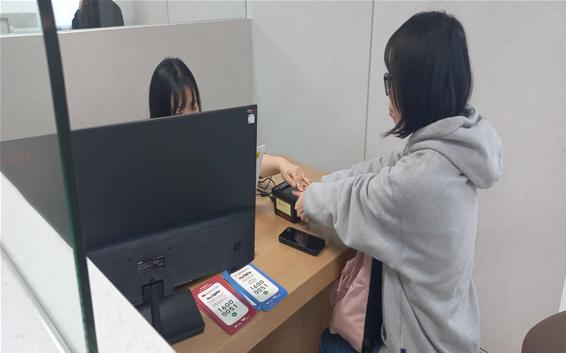
A well-prepared application begins with a clear understanding of the purpose of travel and the requirements of the selected visa category.
Although the exact documents vary by program and applicant, prospective students may need to prepare:
Applicants should make sure that their information is accurate and consistent across all documents. They should also confirm whether translations, certifications, or specific document formats are required.
Most importantly, applicants should understand the purpose and conditions of the visa they are requesting. A student visa is intended for the activities permitted under that status, and future plans to work or remain in the country may require a separate assessment of eligibility.
Professional visa application assistance can help applicants understand document requirements, organize their paperwork, and identify issues that may need clarification. However, no service can guarantee visa approval or override immigration rules.
International visa procedures can be difficult to navigate, especially for applicants who are unfamiliar with the language, documentation standards, or administrative requirements of another country.
Reliable guidance can help applicants understand the process, check that required documents are prepared, and identify the appropriate official sources for current information.
For students, this preparation should begin before they leave Vietnam and continue throughout their time abroad. They should understand not only how to apply for a visa, but also how to maintain their status, comply with employment restrictions, and prepare for changes in their educational or professional circumstances.
At Vietnam Visa Services, applicants can explore visa-related information and assistance relevant to their travel plans. Before requesting support for a specific destination or visa category, contact the service to confirm the assistance available for your case.
Visit Vietnam Visa Services to learn more about visa application support and document preparation.
The reported number of Vietnamese students overstaying their visas in South Korea highlights the importance of responsible visa planning and compliance with immigration regulations.
For prospective students, the process should involve more than securing admission and preparing for departure. Understanding visa conditions, planning finances realistically, checking employment restrictions, and applying for extensions or status changes when required are all important parts of studying abroad.
Applicants should always verify the latest requirements with official immigration authorities and seek qualified advice when their circumstances are complicated.
Whether you are preparing to study abroad or planning an international trip, accurate information and careful document preparation can help you make informed decisions. Explore the available resources at Vietnam Visa Services and confirm the appropriate support for your destination before beginning your application.